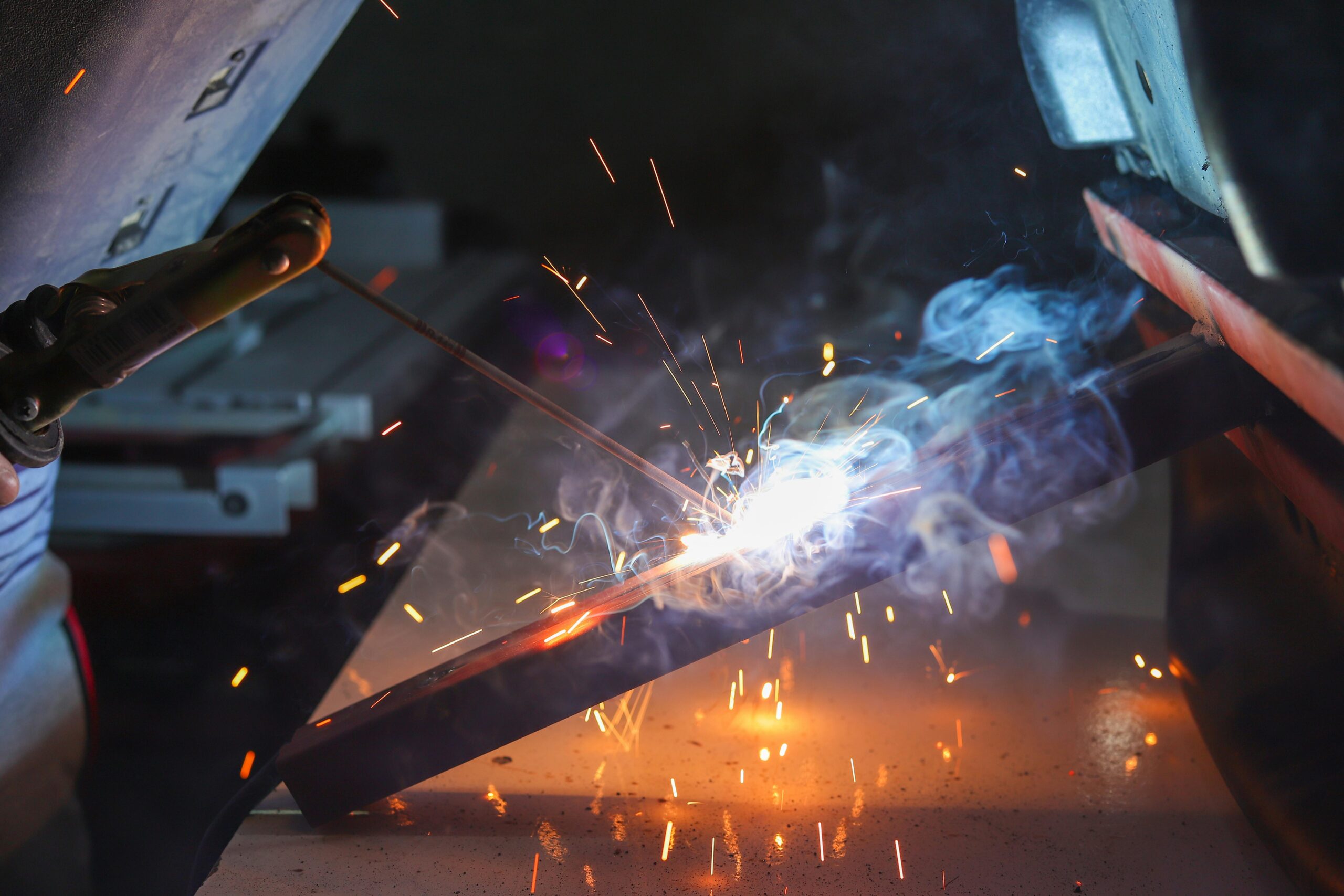
In high energy piping systems, post weld heat treatment plays a major role in maintaining long term reliability and code compliance. Industries such as power generation, petrochemical processing, refining, and combined cycle plants depend on properly executed PWHT procedures to reduce residual stresses, improve toughness, and lower the risk of cracking. One of the most overlooked but critical parts of the process is thermocouple placement during PWHT activities.
Improper thermocouple placement can create inaccurate temperature readings, uneven heating, and documentation issues that may lead to failed inspections or compromised piping integrity. For high energy piping systems operating under extreme pressure and temperature conditions, accurate monitoring is essential.
At Ansgar Industrial, understanding proper thermocouple placement during PWHT activities is part of maintaining quality standards across critical piping fabrication and field installation projects.
Why Thermocouple Placement Matters During PWHT
PWHT is designed to heat welded components to a specified temperature for a controlled amount of time before gradually cooling them. The process helps relieve residual stresses created during welding while improving metallurgical properties in the heat affected zone.
Thermocouples are the primary tools used to monitor and document temperatures throughout the heat treatment cycle. If thermocouples are placed incorrectly, the readings may not accurately represent the actual weld temperature. This can lead to several issues, including:
- Incomplete stress relief
- Overheating of base material
- Excessive hardness
- Distortion
- Failure to meet ASME code requirements
- Premature piping failure
For high energy piping, these risks are amplified because the systems often operate under cyclic loading, thermal fatigue conditions, and elevated temperatures. Small mistakes during PWHT can create major operational problems later.
According to ASME guidance and industry best practices, temperature monitoring must accurately verify that heating rates, holding temperatures, and cooling rates remain within specified limits throughout the process.
Understanding High Energy Piping Requirements
High energy piping systems are commonly found in:
- Combined cycle power plants
- Fossil fuel power generation
- Nuclear facilities
- Petrochemical plants
- Steam distribution systems
- Refinery operations
These systems often use chrome moly alloys such as P11, P22, P91, and P92 materials that require tightly controlled PWHT procedures. Materials operating in creep service conditions are particularly sensitive to improper heat treatment practices.
Thermocouple placement during PWHT activities becomes even more important on these materials because localized overheating or underheating can negatively affect creep strength and long term durability.
Industry standards including ASME B31.1 and ASME Section VIII establish requirements for heat treatment temperatures, soak times, heating rates, and monitoring procedures.
Best Practices for Thermocouple Placement during PWHT Activities
Position Thermocouples Close to the Weld
One of the most important guidelines is placing thermocouples close enough to the weld zone to accurately capture the true temperature of the heated area.
Industry recommendations often place thermocouples approximately one half inch from the weld centerline. This location allows technicians to monitor temperatures in the heat affected zone without directly attaching the thermocouple to the weld itself.
Direct attachment on the weld should generally be avoided because it can interfere with readings or damage the weld area.
Avoid Hot Spot Locations
Thermocouples should not be positioned directly in the hottest part of the heating element arrangement. Doing so can create misleading temperature readings that do not represent the overall weld area.
Proper thermocouple placement during PWHT activities requires monitoring representative temperatures across the heated band rather than isolated hot spots.
This becomes especially important during localized PWHT where heating blankets or ceramic pads are used around circumferential welds.
Use Multiple Thermocouples on Larger Pipe Diameters
Larger pipe diameters require additional monitoring points to confirm temperature uniformity.
For smaller piping systems, one thermocouple may be sufficient. However, larger diameter piping often requires thermocouples at both the 12 o’clock and 6 o’clock positions to verify consistent heating around the circumference.
Using multiple thermocouples allows technicians to identify uneven heating conditions before they become serious quality concerns.
In high energy piping applications, multiple thermocouples also help maintain compliance with temperature differential requirements established by project specifications and ASME codes.
Keep Thermocouple Leads Properly Routed
Thermocouple leads should be routed carefully along the pipe surface before exiting the heated zone. Improper lead routing can introduce inaccurate readings due to external cooling effects.
Industry guidance recommends insulating thermocouple leads and allowing them to follow the pipe surface for several inches before bending away from the heated area.
This practice improves reading stability and minimizes false temperature fluctuations.
Monitor Temperature Uniformity
Maintaining uniform temperature distribution is one of the primary goals of proper thermocouple placement during PWHT activities.
Guidelines often specify maximum allowable temperature differences during heating and soaking periods. Some standards limit temperature variation to 250°F during heating and 150°F during the hold cycle.
Accurate thermocouple placement helps technicians verify compliance with these limits throughout the process.
Challenges with Localized PWHT
Localized PWHT is commonly used in field construction and maintenance projects where entire piping systems cannot fit inside a furnace. While localized heating is practical, it introduces additional complexity.
The heat source may only cover a limited section of piping, increasing the risk of thermal gradients and uneven heating.
Proper thermocouple placement during PWHT activities becomes essential for monitoring both the heated zone and surrounding transition areas. Technicians must confirm that the required soak temperatures are achieved while preventing harmful gradients outside the heated band.
Standards and industry procedures often recommend extending the heated band beyond the weld area to create gradual thermal transitions and reduce stress concentrations.
Documentation and Traceability
PWHT records are critical for quality assurance and code compliance. Temperature charts generated from thermocouple readings provide documented proof that the process met project specifications.
These records typically include:
- Thermocouple locations
- Heating rates
- Soak temperatures
- Hold times
- Cooling rates
- Calibration information
- Time and date records
Proper traceability is especially important for high energy piping systems where regulatory inspections and client audits are common.
ASME guidance emphasizes continuous recording of temperatures above specified thresholds during heat treatment operations.
The Role of Skilled Fabrication Teams
High energy piping projects often involve complex geometries, heavy wall thicknesses, and alloy materials that demand precise control throughout the heat treatment process.
At Ansgar Industrial, experienced fabrication and field service teams understand the importance of detailed PWHT planning, accurate temperature monitoring, and strict quality control procedures for critical piping systems.
Conclusion
Thermocouple placement during PWHT activities directly impacts the quality, reliability, and compliance of high energy piping systems. Accurate monitoring helps confirm proper stress relief, temperature uniformity, and controlled heating and cooling cycles.
Improper placement can lead to inaccurate readings, failed inspections, and long term operational risks. By following established industry practices for thermocouple positioning, monitoring, and documentation, contractors can improve weld integrity and reduce the likelihood of future failures.
As high energy piping systems continue to operate under increasingly demanding service conditions, attention to detail during PWHT remains one of the most important parts of successful fabrication and construction projects.
For organizations working in power generation, petrochemical, and industrial piping environments, proper thermocouple placement during PWHT activities is not just a quality requirement. It is a critical component of long term system reliability and operational safety.