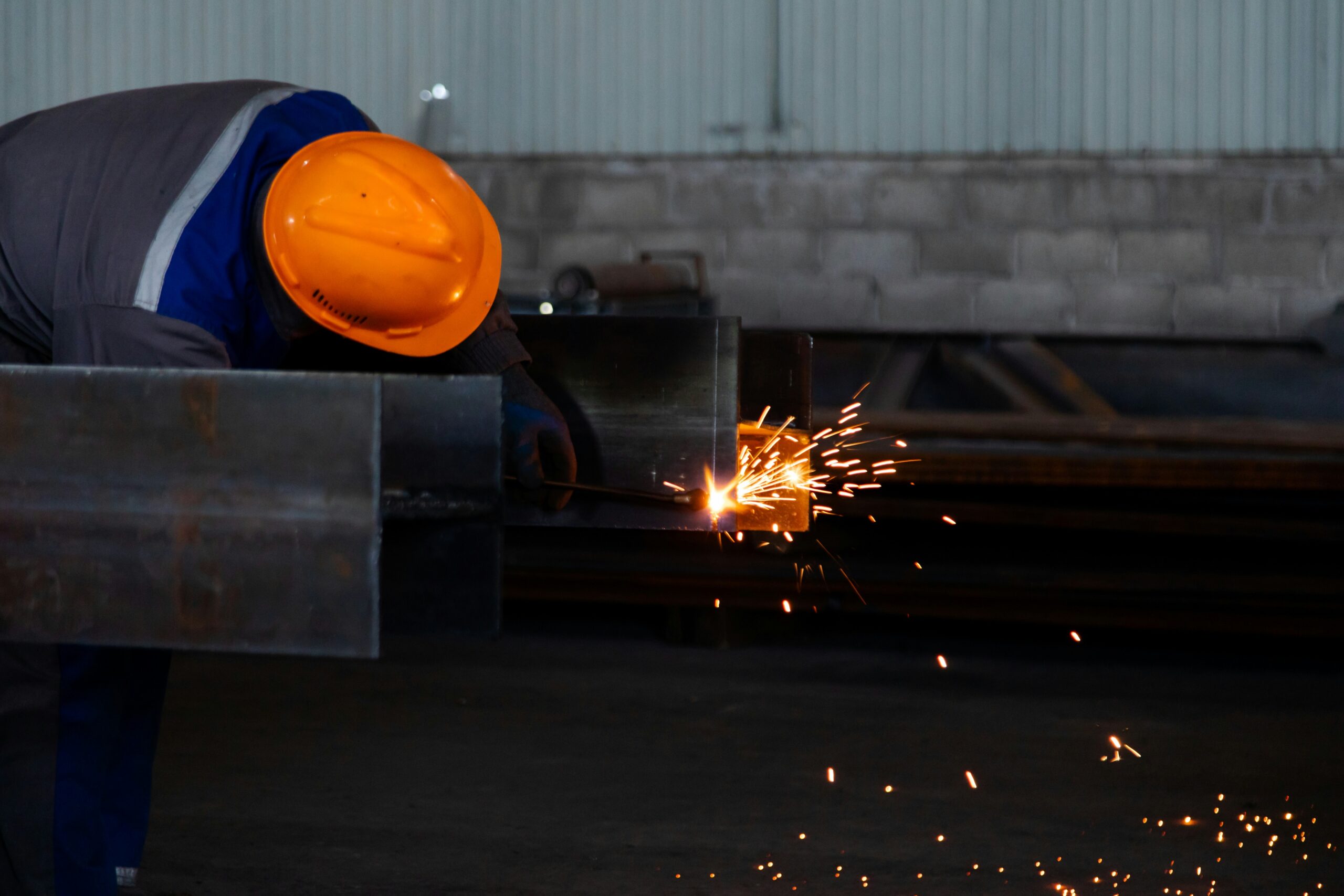
Selecting the right partner for a piping project can have a major impact on schedule, quality, safety, and long term system performance. Whether the work supports manufacturing, pharmaceuticals, food processing, energy, data centers, or other industrial facilities, choosing a reliable industrial pipe fabricator is one of the most important early decisions in the project lifecycle.
Industrial piping systems often handle critical utilities, process fluids, compressed gases, steam, and high purity applications. Mistakes in fabrication can create leaks, rework, downtime, compliance issues, and unnecessary costs. A dependable fabrication partner helps reduce those risks while improving project outcomes.
This article explains what makes a reliable industrial pipe fabricator and what owners, engineers, and contractors should evaluate before awarding work.
Why Reliability Matters in Industrial Pipe Fabrication
Pipe fabrication is more than cutting and welding metal. It involves interpreting drawings, managing materials, following procedures, maintaining tolerances, documenting quality, and delivering completed assemblies that fit the field exactly as planned.
According to Occupational Safety and Health Administration, employers are responsible for providing workplaces free from recognized hazards, making quality planning and safe fabrication practices especially important on industrial projects. Poor fabrication quality can also lead to field modifications that increase exposure to jobsite risks.
Likewise, organizations such as American Society of Mechanical Engineers establish codes and standards widely used in pressure piping and mechanical systems, reinforcing the need for qualified fabrication processes and documented quality control.
1. Proven Experience Across Industrial Environments
One of the clearest signs of a reliable industrial pipe fabricator is experience in demanding operating environments.
Industrial projects often require knowledge of:
- Utility piping systems
- Process piping
- High purity piping
- Stainless steel systems
- Carbon steel piping
- Alloy materials
- Shutdown and turnaround work
- Fast track expansions
A fabricator that has completed work across multiple industries is often better prepared to anticipate challenges, recommend practical solutions, and keep projects moving.
Experience also matters when coordinating with owners, EPC firms, construction managers, and field trades.
2. Strong Quality Control Systems
Reliable fabrication shops build quality into every step of production rather than trying to inspect problems at the end.
Important quality systems may include:
- Material traceability
- Receiving inspections
- WPS and welder qualification management
- Dimensional checks
- Weld inspections
- Pressure testing when required
- Surface finish verification for specialty systems
- Final documentation packages
The National Institute of Standards and Technology notes that quality systems and process consistency are foundational to manufacturing performance and competitiveness. That principle applies directly to pipe fabrication.
When reviewing a vendor, ask how quality is documented and communicated throughout the job.
3. Skilled Workforce and Welding Capability
A reliable industrial pipe fabricator depends on people just as much as equipment.
Look for a company with experienced:
- Pipe fitters
- Welders
- Supervisors
- Project managers
- QA personnel
- Material handlers
- Field installation teams if needed
Welding capability is especially important. Different projects may call for GTAW, GMAW, SMAW, FCAW, orbital welding, or specialty procedures depending on materials and service conditions.
4. Material Knowledge and Procurement Strength
Not every fabrication shop handles specialty materials effectively. Reliable industrial pipe fabricators understand how to source, store, cut, weld, and protect different materials.
That may include:
- Carbon steel
- Stainless steel
- Duplex stainless
- Chrome alloys
- Nickel alloys
- High purity tubing and fittings
Material handling matters because damage, contamination, or mix-ups can delay projects and create quality concerns. Shops with organized procurement and inventory systems often perform better under schedule pressure.
5. Scheduling Discipline and On-Time Delivery
A fabricator can produce great work, but if deliveries miss field need dates, the project still suffers.
Reliable industrial pipe fabricators understand that schedules drive construction productivity. They typically use structured planning for:
- Release priorities
- Procurement milestones
- Shop production sequencing
- Inspection hold points
- Packaging and shipping
- Coordination with field installation dates
Ask potential vendors how they track production status and communicate schedule updates.
6. Accurate Fit-Up in the Field
One of the biggest cost drivers in piping work is field rework. If fabricated spools arrive with dimensional issues, wrong orientations, or missing components, crews lose time correcting problems onsite.
Reliable industrial pipe fabricators reduce this risk through:
- Careful drawing review
- Isometric verification
- Dimensional controls
- Marking systems
- Trial fit processes when needed
- Coordination with supports and equipment locations
The more accurate the fabrication, the faster installation teams can work.
7. Safety Culture
Safety should not stop at the project gate. A fabrication shop’s internal safety culture often reflects its discipline, planning, and management standards.
Look for companies that emphasize:
- Housekeeping
- Equipment maintenance
- PPE compliance
- Lift planning
- Hot work controls
- Training programs
- Incident prevention
Strong safety performance often correlates with better operational consistency and professionalism.
8. Clear Communication and Project Management
Even technically capable shops can create frustration if communication is weak.
Reliable industrial pipe fabricators typically provide:
- Dedicated project contacts
- Progress updates
- RFI coordination
- Change management support
- Delivery notices
- Documentation turnover packages
Owners and contractors value partners who communicate early when issues arise rather than waiting until deadlines are missed.
9. Ability to Support Field Needs
Some projects need more than shop fabrication. Tie-ins, installation assistance, emergency modifications, or onsite welding may be required.
A fabricator with field service capability can help bridge the gap between shop production and final installation. This often improves continuity and speeds problem solving when schedules are tight.
Questions to Ask Before Hiring an Industrial Pipe Fabricator
Before making a decision, ask:
- What industries do you regularly support?
- What materials do you fabricate most often?
- How do you manage quality documentation?
- What is your current capacity and lead time?
- Can you support fast track schedules?
- Do you offer field welding or installation support?
- How do you handle material traceability?
- What safety standards guide your operations?
These questions help identify whether the company is organized, experienced, and realistic about project demands.
Why Ansgar Prioritizes Reliability
At Ansgar, reliability means more than producing pipe spools. It means becoming a dependable project partner. From planning and material control to fabrication quality, scheduling, and field support, every phase matters.
Industrial clients need confidence that systems will be built correctly, delivered on time, and ready for installation. That confidence is earned through execution, communication, and consistent results.
Final Thoughts
When evaluating vendors, the lowest price is rarely the full story. The better question is: who will help the project succeed with the fewest surprises?
A reliable industrial pipe fabricator brings experience, quality systems, skilled labor, schedule discipline, and accountability to every phase of work. Those strengths reduce risk and help owners and contractors meet demanding project goals.
For industrial facilities where uptime, safety, and precision matter, reliability is one of the smartest investments a project can make.