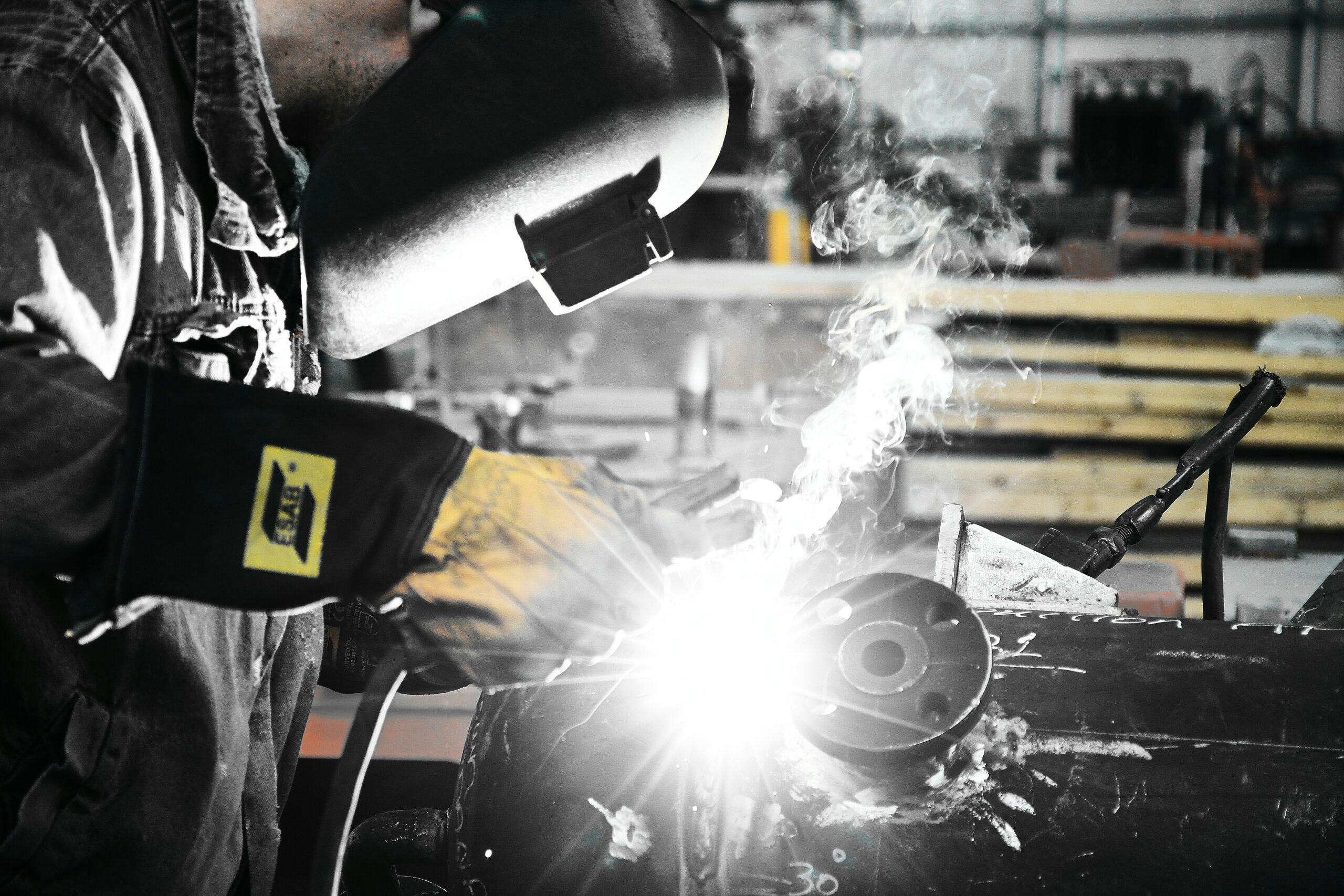
Selecting the right high purity pipe fabricator is one of the most important decisions in semiconductor, pharmaceutical, and advanced manufacturing projects. These industries demand extremely clean, precisely fabricated piping systems that support sensitive processes where even minor contamination or inconsistencies can lead to costly failures.
Not all fabrication shops are equipped to meet these requirements. While many contractors can produce standard piping systems, high purity environments require a higher level of control, documentation, and expertise. Understanding what to look for in a high purity pipe fabricator can help project owners, engineers, and contractors avoid delays, reduce risk, and achieve long term system performance.
This article breaks down the key factors that define a qualified high purity pipe fabricator and how to evaluate potential partners before your project begins.
Why Choosing the Right High Purity Pipe Fabricator Matters
High purity piping systems are used to transport gases, chemicals, and ultra clean fluids in controlled environments. These systems must maintain strict cleanliness and material integrity standards throughout fabrication, installation, and operation.
A qualified high purity pipe fabricator helps:
- Prevent contamination that can disrupt sensitive processes
- Reduce costly rework during installation
- Maintain compliance with industry standards
- Improve long term system reliability
Choosing the wrong fabricator can lead to schedule delays, failed inspections, and operational inefficiencies that impact the entire facility.
Experience in High Purity Environments
The first and most important factor to evaluate is experience. A high purity pipe fabricator must have a proven track record working in industries such as semiconductor manufacturing, pharmaceuticals, or biotechnology.
These environments require specialized knowledge of:
- Cleanroom protocols
- Material handling for stainless and high alloy piping
- Orbital welding techniques
- System cleanliness and contamination control
Fabricators without this experience may treat the project like a standard industrial job, which increases the risk of contamination or non compliant work.
Ask potential fabricators about past projects, industries served, and specific high purity systems they have supported.
Understanding of Industry Standards and Compliance
A reliable high purity pipe fabricator must be familiar with industry standards that govern fabrication and system performance.
One of the most important frameworks is ASME BPE, which provides guidance for bioprocessing equipment and high purity piping systems. Compliance with these standards supports proper material selection, welding procedures, and surface finishes.
Additionally, organizations like International Society for Pharmaceutical Engineering provide best practices for pharmaceutical and bioprocess systems. These guidelines emphasize cleanliness, documentation, and validation throughout the project lifecycle.
When evaluating a fabricator, confirm that they:
- Follow ASME BPE standards where applicable
- Maintain documented welding procedures and qualifications
- Understand validation requirements for regulated industries
- Can support inspection and testing protocols
Cleanliness and Contamination Control
Cleanliness is a defining characteristic of any high purity piping system. Even microscopic particles can compromise system performance in semiconductor or pharmaceutical applications.
A qualified high purity pipe fabricator should have strict cleanliness protocols in place throughout fabrication. This includes:
- Dedicated clean fabrication areas
- Controlled environments for assembly and welding
- Proper storage and handling of materials
- Cleaning and passivation processes before delivery
Contamination can occur at any stage of fabrication if proper controls are not followed. Fabricators must treat cleanliness as a core part of their process, not an afterthought.
Welding Capabilities and Precision
Welding quality is critical in high purity piping systems. Poor welds can introduce contamination, create turbulence, or fail under pressure.
A high purity pipe fabricator should demonstrate expertise in:
- Orbital welding for consistent, repeatable welds
- Manual welding for complex field conditions
- Weld purging techniques to protect material integrity
- Inspection methods such as borescope or radiographic testing
Precision in fit up and welding directly impacts system performance. Fabricators should be able to meet tight tolerances and provide documentation for each weld.
Documentation and Traceability
A strong high purity pipe fabricator will provide:
- Material traceability reports
- Weld logs and inspection records
- Cleaning and passivation documentation
- Quality control checklists
This level of documentation supports system validation and ensures compliance with regulatory requirements.
Without proper traceability, project teams may face delays during inspection and commissioning.
Fabrication Capacity and Scheduling Alignment
High purity projects often operate on tight schedules, particularly in fast growing industries like semiconductor manufacturing. Delays in fabrication can impact multiple downstream activities.
A high purity pipe fabricator must have the capacity to meet project demands while maintaining quality standards. This includes:
- Adequate shop space and equipment
- Skilled labor availability
- Efficient production workflows
- Ability to scale for large or complex projects
Equally important is the ability to align fabrication schedules with field installation timelines. Fabricators should coordinate closely with project teams to deliver materials when needed, reducing site congestion and improving efficiency.
Coordination with Field Installation
Fabrication does not happen in isolation. Successful projects require coordination between the fabrication shop and field installation teams.
A high purity pipe fabricator should:
- Participate in early project planning
- Provide input on constructability
- Align spool deliveries with installation phases
- Support field teams with technical expertise
This collaboration reduces rework and helps maintain project schedules.
Quality Control and Inspection Processes
These processes may include:
- Visual inspections
- Dimensional checks
- Weld inspections
- Pressure testing
Consistent quality control reduces the risk of defects and supports long term system performance.
Communication and Transparency
Clear communication is essential throughout a fabrication project. A reliable high purity pipe fabricator will provide regular updates on progress, challenges, and scheduling.
Transparency helps project teams:
- Identify potential issues early
- Adjust schedules as needed
- Maintain alignment across all stakeholders
Fabricators who communicate effectively become true project partners rather than just vendors.
Final Thoughts
Choosing the right high purity pipe fabricator can have a significant impact on the success of your project. From cleanliness and welding precision to documentation and scheduling, every aspect of fabrication must meet the strict requirements of high purity systems.
By evaluating experience, standards compliance, quality control, and communication practices, project teams can identify fabricators who are equipped to deliver reliable, high quality results.
In industries where performance and precision are critical, partnering with the right high purity pipe fabricator is not just a decision. It is a strategic investment in the success of your facility.