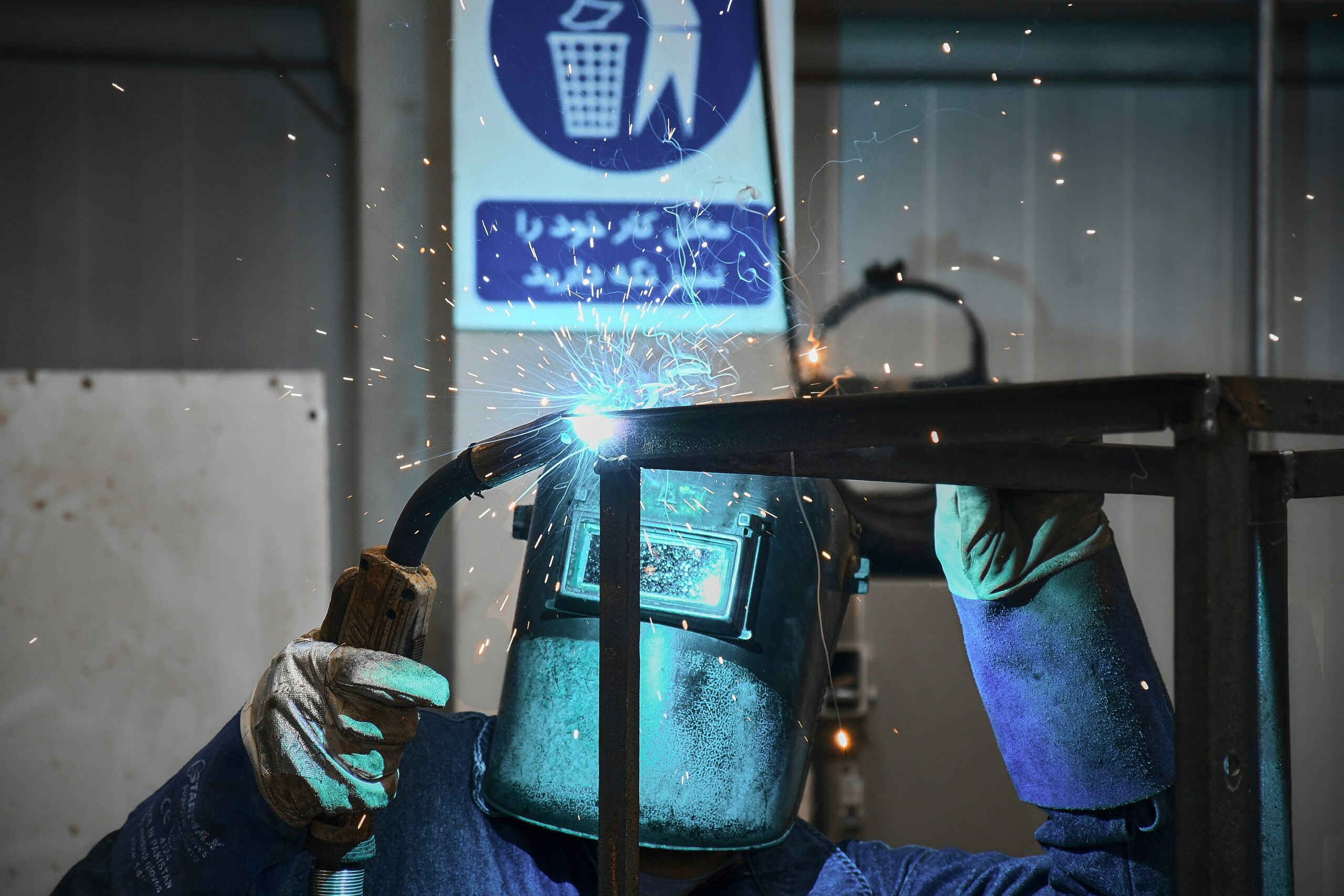
Pipe spool scheduling is one of the most underrated drivers of cost, safety, and schedule performance on industrial projects. When scheduling is weak, spools arrive late, crews stand around waiting, priorities thrash, and rework climbs because the shop is rushing to catch up. When pipe spool scheduling is disciplined, fabrication stays aligned with construction sequencing, material arrives when it is actually needed, and the field installs spools in a predictable flow.
At Ansgar, pipe spool scheduling is treated as a production system, not a spreadsheet exercise. It connects engineering deliverables, procurement, fabrication work packages, quality hold points, shipping constraints, and site access windows into a plan that can be updated as real conditions change. This article explains what pipe spool scheduling means in practice, why it breaks down on many projects, and how a fabricator can build a schedule that supports reliable installation.
What Pipe Spool Scheduling Actually Covers
Pipe spool scheduling is the coordinated plan that defines:
- When spools are released for fabrication based on design maturity and constructibility
- When materials must be on hand to support weld and assembly sequences
- How spools are prioritized across bays, welding processes, and specialty work
- When inspection, testing, documentation, and paint or wrap steps occur
- When spools ship and in what order to match installation sequencing
In other words, pipe spool scheduling is not just a due date on a traveler. It is a schedule model that connects activities, constraints, and milestones so the project team can see what is driving the critical path and what needs attention first. This is consistent with how schedule best practices treat a schedule as a managed model, not a static timeline.
Why Pipe Spool Scheduling Breaks on Real Projects
Most schedule failures come from predictable root causes:
1) IFC drawings arrive in waves, not a clean release
Even on well managed jobs, fabrication rarely receives a perfectly sequenced issue for construction package. Instead, revisions arrive unevenly, and the shop is asked to “start somewhere.” If a spool is fabricated before design is stable, the schedule may look good for a week, then collapse when rework hits.
2) Procurement lead times are treated like assumptions
Long lead items, specialty alloys, valves, and instrumentation connections can quietly become the real critical path. When scheduling ignores procurement reality, the shop runs out of key components midstream and must resequence work, causing excessive changeovers and lost throughput.
3) Field need dates are vague or constantly shifting
If the construction sequence is not clearly defined, fabrication is forced into reactive prioritization. The result is a shop that is always busy but not always producing what the field can install next.
4) Quality and documentation are scheduled as afterthoughts
Inspection, NDE, pressure testing, and turnover documentation are not optional steps. If they are not built into pipe spool scheduling as real activities with durations, the schedule will slip at the end, right when shipping and installation are supposed to ramp.
The Scheduling Framework Ansgar Uses for Pipe Spools
A strong pipe spool scheduling approach starts with a simple truth: the schedule must reflect how work is actually executed.
Step 1: Define milestones that matter to construction
Instead of tracking only “spool complete,” Ansgar structures milestones like:
- Design release received and verified
- Materials kitted and staged
- Fit up complete
- Weld complete
- NDE complete
- Test complete if required
- Final documentation package complete
- Load out and ship
This creates visible control points and makes it harder for late stage work to get hidden until the last minute.
Step 2: Build a logic based sequence, not just dates
A schedule that has dates but no logic is fragile. A logic based schedule defines predecessors and successors so the team can see which constraints are truly driving completion. This aligns with Critical Path scheduling concepts where activity relationships and sequencing drive the completion forecast, not wishful target dates.
Step 3: Convert the spool list into fabrication work packages
Pipe spool scheduling improves dramatically when spools are grouped into work packages that reflect how the field installs. For example:
- Area based packages (Unit 100 rack, Unit 200 interstitial)
- System based packages (CIP return, compressed air headers)
- Turnover based packages (system boundaries tied to commissioning)
Packaging creates clarity: the shop knows what “done” means, and the field receives ship sets that match installation workflow.
Step 4: Load the schedule with real capacity constraints
If the shop has two fit up stations for large bore and one bay for specialty alloy GTAW, that constraint must exist in the plan. Ansgar treats the shop like a production line with finite resources and uses scheduling to protect flow:
- Limit work in process
- Reduce changeovers by batching similar weld processes where possible
- Sequence spools so QA and NDE resources are not overloaded in a single week
Step 5: Schedule material readiness as a gate
A spool should not be released into active fabrication unless the kit is truly complete or the plan explicitly accounts for what is missing. Kitting discipline supports predictable throughput and reduces the time lost to searching, expediting, and partial assemblies.
Step 6: Align shipping with field access and install path
Pipe spool scheduling that ends at “spool complete” is only half done. Real performance comes from scheduling load out, shipping windows, and site receiving constraints:
- Laydown space limitations
- Cranes and pick plans
- Access restrictions in clean or controlled environments
- Installation sequencing inside racks or tight corridors
Shipping the right spool at the wrong time still creates congestion and delay.
Practical Metrics That Make Scheduling Visible
Ansgar uses metrics that translate scheduling into action:
- Schedule adherence by work package: percent of spools completed by the promised ship week
- Constraint log aging: how long materials, RFIs, or approvals remain open
- Rework rate tied to drawing revisions: highlights when release discipline is slipping
- WIP limits by bay: prevents the shop from flooding itself with partially built spools
- Late stage hold point backlog: shows whether NDE, testing, or documentation is becoming the bottleneck
These metrics help the team adjust the plan weekly without losing the overall project logic.
How Pipe Spool Scheduling Supports Safety and Quality
A controlled schedule is a safety system. When the shop is in panic mode, mistakes rise: missed weld parameters, incomplete documentation, rushed handling, and more incidents during load out. With disciplined pipe spool scheduling, the shop can maintain consistent workflows, preserve inspection integrity, and keep high risk operations like heavy lifts and hydro testing in stable windows.
Just as important, a schedule model that includes quality steps prevents “end loaded” inspection, where large volumes of spools pile up waiting for NDE or test. That backlog is one of the most common hidden causes of missed ship dates.
What Owners and EPC Teams Should Ask For
If you want pipe spool scheduling that supports field performance, ask your fabricator:
- How do you translate installation sequencing into fabrication priorities?
- How do you gate releases based on design maturity and material readiness?
- Do you schedule inspection, testing, and documentation as real activities?
- How do you update the schedule when constraints change?
- What is your process for shipping spools in install order rather than completion order?
Strong answers to these questions usually indicate that scheduling is a core capability, not an admin function.
Conclusion: Pipe Spool Scheduling Is a Reliability Strategy
Pipe spool scheduling is not just about meeting a ship date. It is about creating a stable production flow that matches field installation reality. When pipe spool scheduling is built on logic, capacity constraints, quality hold points, and shipping sequencing, projects experience fewer stoppages, fewer surprises, and better turnover performance.
At Ansgar, pipe spool scheduling is treated as a measurable system that connects engineering, procurement, fabrication, QA, and delivery into one plan. That is how fabrication stays predictable, even when project conditions change.