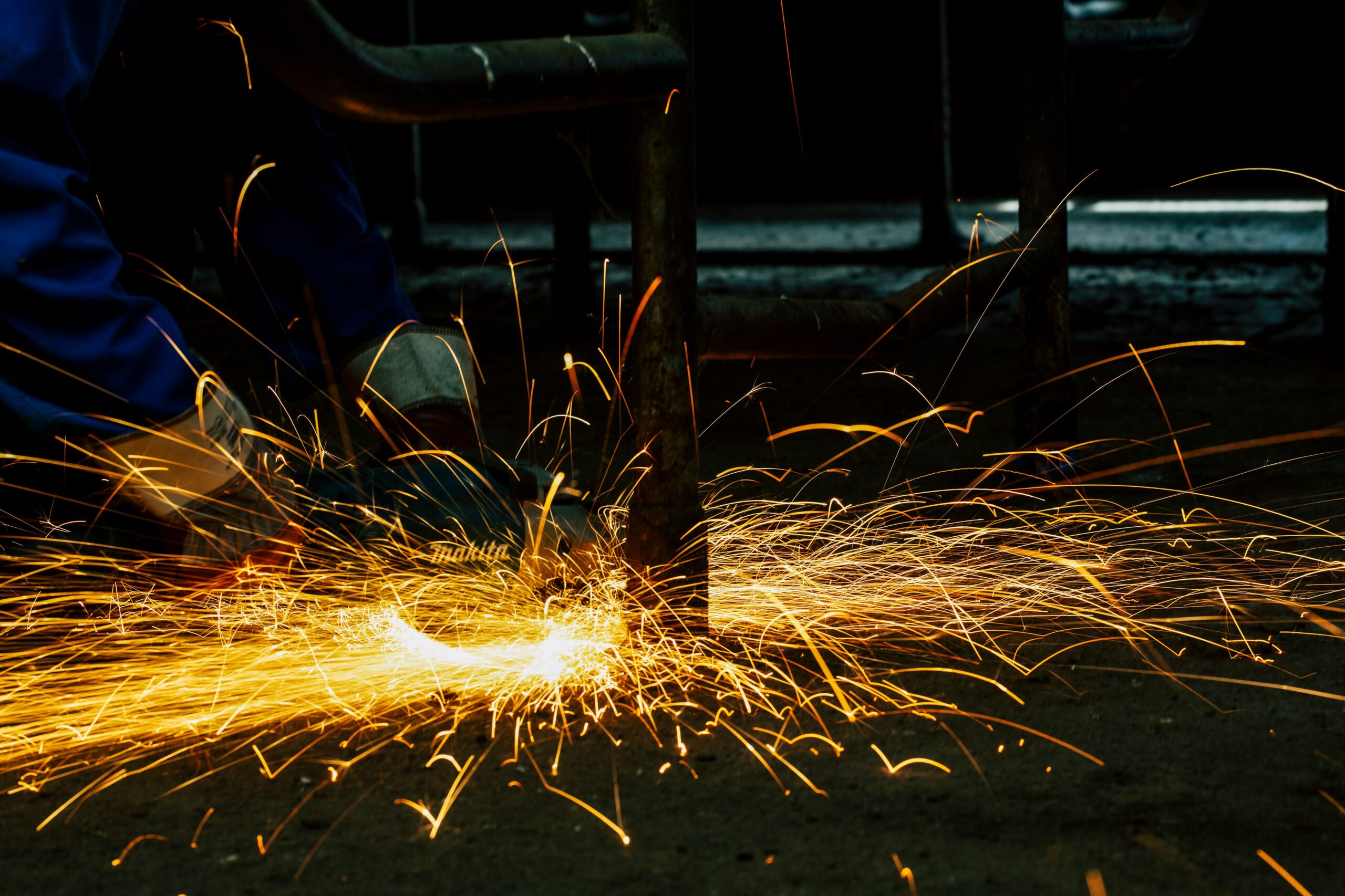
Structural steel for manufacturing plays a critical role in supporting the equipment, platforms, and infrastructure that keep industrial facilities operating efficiently. Manufacturing environments demand durability, precision, and flexibility. From heavy equipment support structures to mezzanines, pipe racks, and modular skids, structural steel provides the backbone for safe and scalable operations.
As manufacturing facilities expand, modernize, and automate, the need for high quality structural steel fabrication continues to grow. Companies require partners who understand tight tolerances, equipment integration, and the importance of delivering structures that align with production timelines. Ansgar Industrial supports manufacturing clients with structural steel fabrication designed specifically for industrial environments.
This article explores the importance of structural steel for manufacturing, common applications, design considerations, and how experienced fabrication teams help reduce risk and improve project execution.
Why Structural Steel for Manufacturing Is Essential
Manufacturing facilities are dynamic environments that rely on strong and adaptable infrastructure. Structural steel provides the strength and flexibility needed to support heavy loads, moving equipment, and future expansions.
Unlike other building materials, structural steel offers predictable performance, high strength to weight ratio, and the ability to fabricate complex structures. These advantages make it ideal for manufacturing applications where precision and durability are required.
According to the American Institute of Steel Construction, structural steel provides consistent material properties and allows for fabrication that meets strict engineering requirements. This consistency is critical for manufacturing operations where equipment alignment and structural stability directly affect productivity.
Structural steel for manufacturing is commonly used because it offers:
- High load carrying capacity for heavy equipment
- Long span capability for open manufacturing floors
- Flexibility for facility expansion and retrofits
- Durability in harsh industrial environments
- Compatibility with modular fabrication strategies
- Fast installation timelines compared to alternative materials
These benefits allow manufacturers to build infrastructure that supports current operations while preparing for future growth.
Common Applications of Structural Steel for Manufacturing
Structural steel is used throughout manufacturing facilities to support production equipment, utilities, and personnel access. Each application requires careful planning to align with equipment layouts and operational needs.
Equipment Support Structures
Manufacturing equipment often requires elevated platforms, frames, and custom supports. Structural steel provides the strength needed to support heavy machinery while maintaining tight alignment tolerances.
Examples include:
- Process equipment support frames
- Pump and compressor bases
- Reactor and vessel supports
- Conveyor support structures
- Packaging line platforms
These structures must be fabricated with precision to prevent vibration, misalignment, and operational issues.
Mezzanines and Elevated Work Platforms
Many manufacturing facilities maximize space by installing mezzanines and elevated work areas. Structural steel for manufacturing allows these platforms to support personnel, storage, and equipment.
Common mezzanine applications include:
- Maintenance access platforms
- Control room structures
- Storage mezzanines
- Assembly line expansion areas
- Quality inspection stations
Properly designed structural steel platforms improve workflow while maintaining safe access for operators.
Pipe Racks and Utility Support
Manufacturing facilities rely on utilities such as compressed air, steam, cooling water, and process piping. Structural steel pipe racks provide organized routing for these systems.
Pipe racks built from structural steel for manufacturing help:
- Maintain clear production areas
- Protect piping systems
- Support future utility expansion
- Improve maintenance access
- Reduce congestion on the production floor
These structures often integrate with existing equipment layouts and require precise fabrication.
Modular Skids and Fabricated Assemblies
Modular fabrication continues to grow in manufacturing environments. Structural steel serves as the foundation for modular skids that include piping, electrical, and equipment.
Structural steel skids are used for:
- Pump packages
- Filtration systems
- Chemical injection systems
- Cooling system modules
- Utility distribution packages
Fabricating these systems in a controlled shop environment improves quality and reduces installation time.
Design Considerations for Structural Steel for Manufacturing
Designing structural steel for manufacturing requires understanding operational requirements, equipment loads, and environmental conditions. Fabrication teams must work closely with engineers and project managers to meet project goals.
Load and Equipment Considerations
Manufacturing equipment can introduce static and dynamic loads. Structural steel must be designed to support:
- Equipment weight
- Vibration and movement
- Maintenance loads
- Future expansion loads
- Seismic requirements where applicable
Accurate load calculations help prevent structural issues during operation.
The Occupational Safety and Health Administration emphasizes proper structural design and load capacity to maintain safe working environments. Manufacturing facilities must ensure that structural steel supports are designed for intended use and inspected regularly.
Fabrication Tolerances and Alignment
Precision matters when fabricating structural steel for manufacturing. Equipment alignment and installation accuracy depend on tight tolerances.
Key fabrication considerations include:
- Bolt hole alignment
- Base plate flatness
- Anchor bolt placement
- Elevation accuracy
- Connection fit up
Small deviations can create installation challenges and delays.
Access and Maintenance Requirements
Structural steel must allow safe access for operators and maintenance teams. This includes:
- Stairs and ladders
- Handrails and guardrails
- Maintenance platforms
- Equipment removal clearances
- Walkway integration
Proper planning improves long term usability.
Environmental Conditions
Manufacturing facilities often operate in challenging environments. Structural steel for manufacturing may require coatings or materials suited for:
- High humidity
- Chemical exposure
- High temperature environments
- Outdoor installations
- Washdown conditions
Protective coatings and material selection help extend service life.
Benefits of Shop Fabricated Structural Steel
Shop fabricated structural steel provides several advantages compared to field fabrication. Manufacturing projects benefit from improved quality control and reduced installation time.
Key advantages include:
- Controlled fabrication environment
- Improved weld quality
- Accurate dimensional control
- Reduced field labor requirements
- Faster installation schedules
- Safer construction conditions
Prefabrication also allows multiple trades to integrate components before shipment, improving project efficiency.
Structural Steel for Manufacturing and Facility Expansion
Manufacturing facilities frequently expand to support new production lines or increased capacity. Structural steel allows for scalable infrastructure that can be modified as operations grow.
Expansion projects may include:
- New equipment platforms
- Production line extensions
- Additional mezzanine space
- Utility pipe rack expansion
- New building additions
Structural steel for manufacturing supports phased construction, allowing facilities to remain operational during upgrades.
Integration with Industrial Fabrication Services
Structural steel for manufacturing often integrates with other fabrication scopes. Coordinated fabrication improves efficiency and reduces installation complexity.
Integrated fabrication may include:
- Structural steel and piping assemblies
- Equipment skids with electrical integration
- Steel platforms with process piping
- Pipe rack modules with instrumentation
- Structural frames with mechanical equipment
Working with a fabrication partner that provides multiple services helps streamline project execution.
Quality Considerations for Structural Steel Fabrication
Quality is critical when fabricating structural steel for manufacturing. Poor fabrication can lead to alignment issues, installation delays, and safety risks.
Important quality factors include:
- Certified welding procedures
- Material traceability
- Dimensional inspections
- Fit up verification
- Coating inspection
- Documentation and quality records
These steps help confirm that structural steel meets project specifications.
Why Experience Matters in Structural Steel for Manufacturing
Manufacturing environments require fabrication teams that understand industrial workflows, equipment integration, and schedule pressures. Experienced fabricators anticipate challenges and deliver structures ready for installation.
Ansgar Industrial supports structural steel for manufacturing with:
- Custom fabricated equipment supports
- Mezzanines and access platforms
- Pipe racks and utility structures
- Modular skid bases
- Integrated fabrication assemblies
- Precision shop fabrication
By focusing on fabrication accuracy and coordination, Ansgar Industrial helps manufacturing clients reduce installation time and improve project outcomes.
Supporting Long Term Manufacturing Performance
Structural steel for manufacturing is more than a construction material. It supports productivity, safety, and future expansion. Well designed and fabricated structures allow facilities to adapt to changing production demands.
From equipment platforms to modular assemblies, structural steel remains essential for modern manufacturing. Partnering with experienced fabrication teams helps manufacturers build infrastructure that supports reliable operations for years to come.
As manufacturing continues to evolve, structural steel for manufacturing will remain a key component of efficient, scalable, and safe industrial facilities.