Modern industries such as semiconductor manufacturing, pharmaceutical production, biotechnology, and advanced research facilities depend on fluid and gas delivery systems that meet extremely strict cleanliness standards. In these environments, even microscopic contaminants can compromise product quality, disrupt sensitive processes, or damage expensive equipment. This is why High and Ultra High Purity Piping Systems play a critical role in advanced industrial infrastructure.
High and Ultra High Purity Piping Systems are designed to transport gases, chemicals, and ultra clean water while preventing contamination at every stage of fabrication, installation, and operation. These systems require specialized materials, welding techniques, inspection procedures, and quality control processes to maintain the purity levels required by modern manufacturing environments.
Companies such as Ansgar Industrial support these demanding projects by combining advanced fabrication capabilities with disciplined quality procedures that align with the strict standards required for high purity applications.
What Are High and Ultra High Purity Piping Systems?
High and Ultra High Purity Piping Systems are specialized piping networks designed to transport fluids and gases with extremely low levels of contamination. These systems are commonly used in industries where product integrity and process stability depend on clean delivery systems.
Typical applications include:
- Semiconductor manufacturing facilities
- Pharmaceutical manufacturing plants
- Biotechnology laboratories
- Advanced research centers
- Microelectronics fabrication environments
In these settings, the piping systems transport materials such as high purity gases, specialty chemicals, purified water, and process fluids that must remain free from particles, microorganisms, oils, and other contaminants.
The difference between high purity and ultra high purity systems generally relates to the acceptable contamination levels and the strictness of fabrication standards. Ultra high purity systems often support the most sensitive manufacturing processes where contamination at the microscopic level could damage semiconductor wafers or compromise pharmaceutical products.
Organizations such as the Semiconductor Equipment and Materials International (SEMI) publish standards that guide materials selection and fabrication practices for semiconductor manufacturing environments.
Why Purity Matters in Industrial Piping Systems
The need for High and Ultra High Purity Piping Systems comes from the precision required in modern manufacturing processes. For example, semiconductor chips are manufactured on wafers that contain microscopic circuit structures. Even a small particle introduced into the production environment can ruin an entire wafer batch.
Similarly, pharmaceutical manufacturing processes rely on controlled environments to maintain the safety and effectiveness of medications. Piping systems used in drug production must prevent contamination from bacteria, particles, and chemical residues.
According to guidance from the U.S. Food and Drug Administration, pharmaceutical manufacturing systems must be designed to maintain sanitary conditions and prevent contamination that could impact product safety.
Because of these risks, High and Ultra High Purity Piping Systems require rigorous engineering, fabrication, and inspection processes that go far beyond conventional industrial piping.
Materials Used in High and Ultra High Purity Piping Systems
Material selection is one of the most important factors in designing High and Ultra High Purity Piping Systems. The materials must resist corrosion, minimize particle generation, and maintain smooth internal surfaces.
Common materials include:
Stainless Steel
High grade stainless steels such as 316L are frequently used for high purity applications. These materials offer excellent corrosion resistance and can be polished to extremely smooth finishes that reduce particle accumulation.
Electropolished Stainless Steel
Electropolishing is often used to improve the surface quality of stainless steel piping. This process removes microscopic surface irregularities and improves corrosion resistance while reducing the potential for particle generation.
Specialty Alloys
The choice of material depends on the type of fluid being transported, operating pressures, temperatures, and the cleanliness requirements of the facility.
Fabrication Practices for High and Ultra High Purity Piping Systems
Fabrication of High and Ultra High Purity Piping Systems requires strict process control to prevent contamination during manufacturing.
Key fabrication practices include:
Controlled Fabrication Environments
Piping components are often fabricated in controlled environments to limit exposure to dust, oil, and other contaminants.
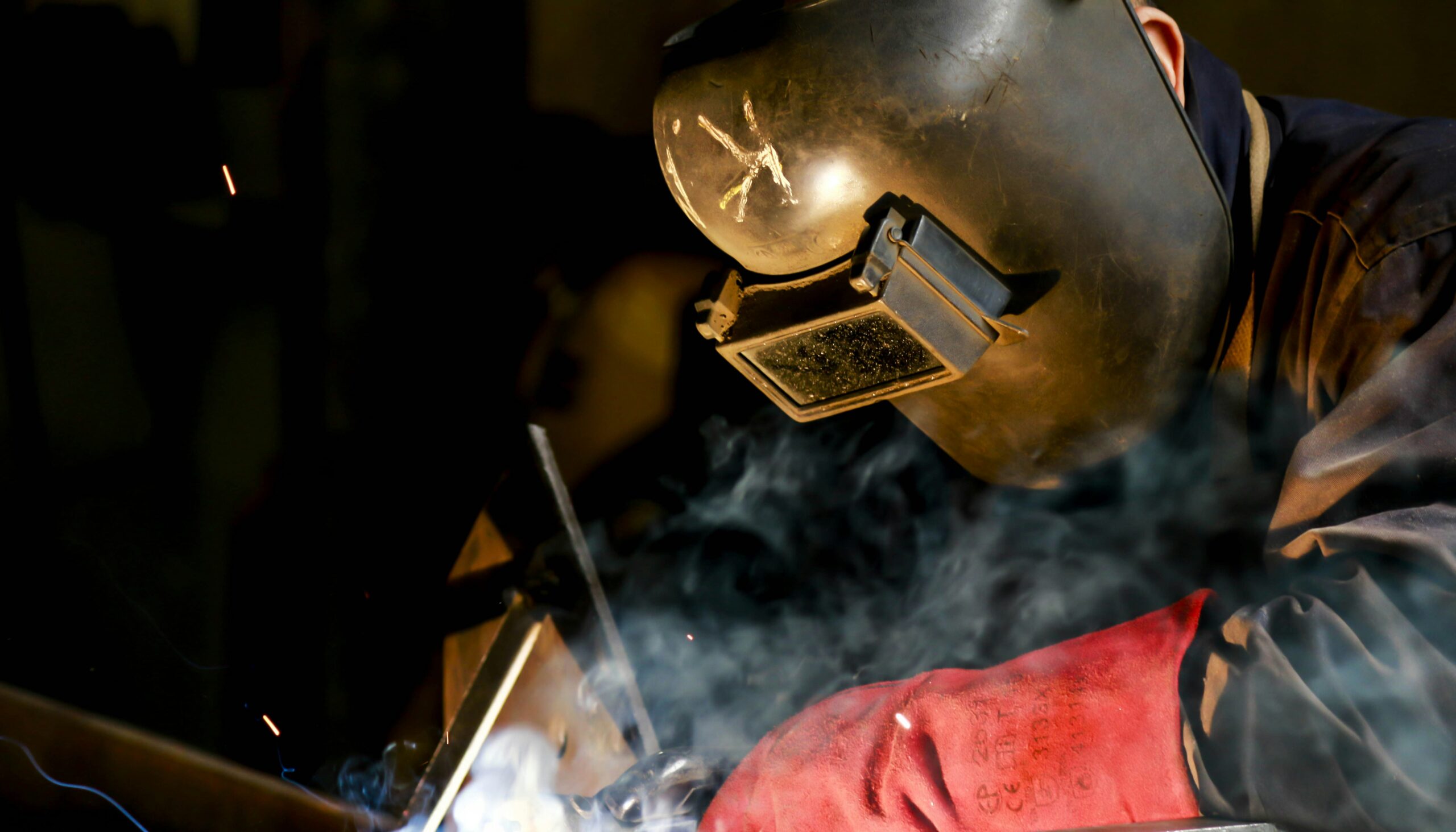
Orbital Welding
Orbital welding is commonly used in high purity piping systems because it provides consistent weld quality and repeatable results. This automated welding process helps maintain clean internal surfaces and minimizes the risk of contamination.
Purge Gas Control
During welding operations, purge gases such as argon are used to protect the internal weld surfaces from oxidation. Proper purge gas control is critical to maintaining the internal cleanliness of the piping system.
Strict Handling Procedures
Components must be handled carefully during fabrication and transportation to prevent scratches, contamination, or particulate buildup inside the piping.
These fabrication practices are essential to maintaining the integrity of High and Ultra High Purity Piping Systems.
Surface Finish Requirements
The internal surface finish of piping components plays a major role in contamination control. Rough surfaces can trap particles or allow bacteria to accumulate, which is unacceptable in high purity environments.
Surface finish is typically measured using roughness averages. High purity piping systems often require very smooth finishes that reduce particle adhesion and improve cleanability.
Electropolishing is frequently used to achieve these surface finish requirements. This process not only improves surface smoothness but also enhances corrosion resistance and long term reliability.
Inspection and Quality Control
High and Ultra High Purity Piping Systems require extensive inspection and documentation throughout fabrication and installation.
Quality control procedures may include:
- Visual inspection of welds
- Borescope inspection of internal weld surfaces
- Material traceability documentation
- Weld procedure qualification records
- Cleaning and packaging verification
- Pressure testing and leak detection
Maintaining detailed documentation is especially important for regulated industries such as pharmaceutical manufacturing, where validation records must demonstrate compliance with industry standards.
Installation Considerations
Even the most carefully fabricated piping system can become contaminated during installation if proper procedures are not followed.
Installation teams must maintain strict cleanliness standards while assembling piping systems inside the facility. This may include the use of cleanroom compatible tools, protective caps on pipe openings, and specialized installation procedures.
Coordination between fabrication shops and field installation teams is also critical to maintaining the cleanliness of the system throughout the construction process.
Experienced fabrication partners help coordinate fabrication schedules, packaging methods, and delivery logistics to support these installation requirements.
Supporting Modern Industrial Infrastructure
As semiconductor manufacturing, biotechnology research, and pharmaceutical production continue to expand, the demand for High and Ultra High Purity Piping Systems will continue to grow. These systems form the backbone of the fluid and gas delivery infrastructure that supports advanced manufacturing technologies.
High purity piping requires a combination of advanced fabrication capabilities, experienced personnel, and disciplined quality control procedures. By maintaining strict fabrication standards and supporting complex installation environments, companies like Ansgar Industrial help deliver the precision infrastructure required by today’s most demanding industries.
High and Ultra High Purity Piping Systems are more than just piping networks. They are critical components of the infrastructure that powers modern technology, medical innovation, and advanced manufacturing around the world.