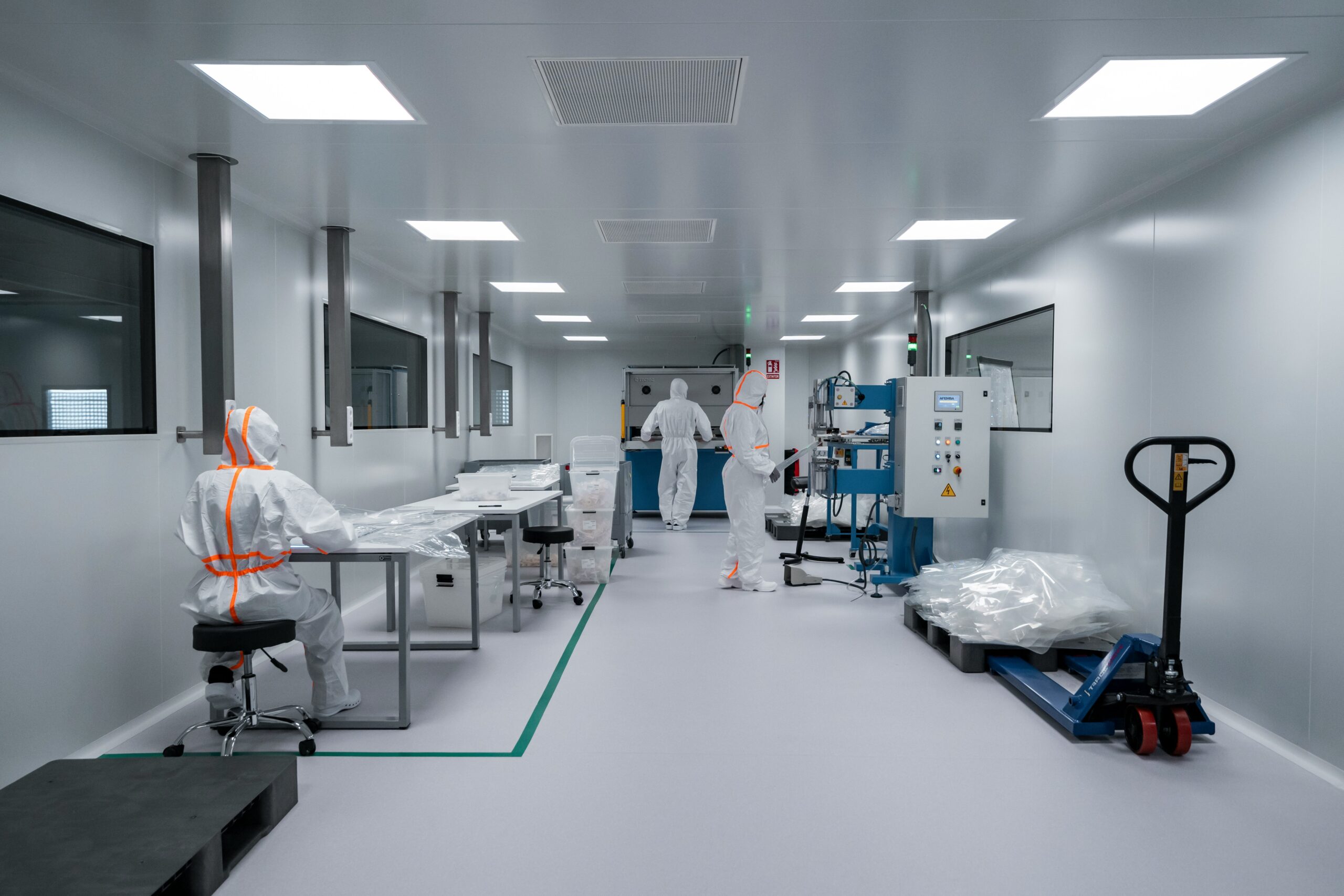
In semiconductor and pharmaceutical facilities, “Wet Mechanical systems” are the backbone of stable production. These systems move, condition, and control water and other non-gaseous process utilities that support tools, cleanrooms, and critical manufacturing steps. When Wet Mechanical systems are designed and installed with the right materials, routing strategy, quality controls, and documentation, they help protect uptime, product quality, and safety. When they are rushed or treated like generic plumbing, they can become a chronic source of leaks, corrosion, contamination, capacity limits, and costly shutdowns.
At Ansgar, we specialize in the detailing, routing, and installation of industrial piping and structural steel for advanced manufacturing environments. Wet Mechanical systems are a core part of that work, particularly in facilities where reliability, cleanliness, and maintainability are non-negotiable.
This blog breaks down what Wet Mechanical systems typically include in semiconductor and pharmaceutical environments, what makes them different from conventional mechanical piping, and how a disciplined approach to fabrication and installation reduces risk across the project lifecycle.
What “Wet Mechanical systems” Typically Include
Wet Mechanical systems can mean different things depending on the facility, but in semiconductor and pharmaceutical projects they usually include some combination of:
Process and facility cooling loops
- Process chill water
- Chill water
- Heat recovery water
- Tertiary chill water
- Spindle head cooling water
- Other dedicated cooling loops tied to tools or process skids
Waste and drainage systems
- Acid waste systems (common in semiconductor wet processing and some chemical handling areas)
- Neutralization and collection piping
- Segregated drains where required by chemistry and code
Specialty water distribution
- Non-potable and reclaimed water loops where applicable
- Utility water for equipment interfaces and ancillary processes
Even when the fluid is “just water,” the performance requirements can be strict. Temperature stability, flow consistency, cleanliness, and redundancy often drive decisions that go far beyond standard commercial HVAC work.
Why Wet Mechanical Systems Are So Critical in Semiconductor Facilities
Semiconductor production depends on precision at a microscopic scale. Tools generate heat, require stable temperatures, and rely on tight process windows. Wet Mechanical systems support that stability by delivering controlled cooling and removing heat where it is created.
A few common challenges unique to semiconductor environments:
High uptime expectations
Tool downtime is expensive. Wet Mechanical systems must be built for reliability with sensible isolation points, redundancy where required, and maintenance-friendly routing that does not force major shutdowns for minor repairs.
Chemical compatibility and segregation
Acid waste and other chemical drains cannot be treated like standard sanitary or storm systems. Correct material selection, slope, venting strategy, secondary containment where required, and clear labeling all matter because a small mistake can create a safety incident or a compliance problem.
Space constraints and congestion
In fabs and subfabs, pipe racks fill quickly. Early coordination between routing, supports, structural steel, and equipment placement can be the difference between a clean install and constant field rework.
Wastewater compliance considerations
Semiconductor wastewater can contain pollutants that fall under specific regulatory frameworks and permitting expectations. Facilities and project teams need to understand the wastewater profile, treatment approach, and the discharge pathway early because it affects collection, neutralization, sampling, and tie-in strategy. EPA resources on semiconductor facility permitting highlight wastewater characterization and treatment considerations that frequently intersect with design and operations planning.
Why Wet Mechanical Systems Are Just as Important in Pharmaceutical Manufacturing
Pharmaceutical environments may not look like semiconductor fabs, but the expectations for control, documentation, and cleanliness are equally demanding. Wet Mechanical systems commonly support:
- Temperature control for process rooms, cleanrooms, and equipment
- Utility interfaces for process skids
- Cleaning operations and washdown areas
- High-purity water systems in broader site infrastructure
Pharmaceutical water systems are often scrutinized because water can be an ingredient, a cleaning medium, or a critical utility. The FDA’s inspection guidance for high purity water systems discusses common design and evaluation issues, including microbiological considerations and system design elements that can lead to recurring problems if not handled carefully.
Even if your scope is not the full high-purity loop, Wet Mechanical systems in pharma still have to respect GMP expectations like controlled materials, clean installation practices, traceability, and commissioning documentation.
Key Design and Installation Priorities for Wet Mechanical Systems
1) Material selection that matches the mission
Material selection is not a “standard spec” decision in advanced manufacturing. Cooling loops, heat recovery loops, and tertiary systems may use different materials based on corrosion risk, water chemistry, cleanliness requirements, and temperature ranges. Acid waste and neutralization lines have their own compatibility demands.
A strong approach includes:
- Clear service classification and labeling from day one
- Material traceability and receiving inspection
- Weld procedure alignment with the specified metallurgy and cleanliness expectations
2) Routing that supports maintainability
Great Wet Mechanical systems are maintainable. That means:
- Isolation valves where maintenance will actually occur
- Access to strainers, vents, drains, and balancing devices
- Logical sectionalization so outages can be targeted
- Routing that avoids creating “trap” points for air or debris where they do not belong
This is also where early fabrication engagement pays off. When routing and support steel are coordinated early, the field team spends less time “making it work” and more time installing exactly what was designed.
3) Quality control that prevents hidden failures
Wet systems can pass a pressure test and still fail later if installation quality is inconsistent. Common preventable issues include:
- Improper cleaning and flushing practices that leave debris in the system
- Poorly executed joints or welds that become pinhole leaks under cycling
- Inadequate supports that allow vibration, sag, or thermal movement stress
- Misidentified services that lead to cross connections or wrong tie-ins
4) Commissioning that validates performance, not just completion
Commissioning for Wet Mechanical systems is where design intent becomes real-world performance. Depending on the system, this can involve:
- Flushing and cleanliness verification
- Pressure testing and leak checks
- Balancing and flow verification
- Temperature stability checks for critical loops
- Verification of control sequences and alarms
- Documentation turnover packages that support operations and maintenance
How Ansgar Supports Wet Mechanical Systems in Advanced Manufacturing
Ansgar’s value is in executing Wet Mechanical systems with the mindset these facilities require: detailed planning, disciplined routing, and high-quality installation practices that respect critical environments.
What this looks like in practice:
- Detailing and routing support that reduces congestion and rework
- Fabrication-ready planning so spools, supports, and installation sequencing align
- Field installation expertise for complex wet systems including multiple cooling loops and specialty drains
- Strong coordination between piping, supports, structural steel, and access requirements
- Testing and documentation discipline that supports turnover and long-term maintainability
Whether the scope is process chill water, tertiary cooling loops, heat recovery water, spindle head cooling water, or chemical waste collection, Wet Mechanical systems perform best when they are treated as production infrastructure, not just “mechanical scope.”
Closing Thoughts
Wet Mechanical systems sit behind the scenes, but they directly influence throughput, quality, and uptime in semiconductor and pharmaceutical facilities. The best projects treat these systems as critical: they align materials with service requirements, coordinate routing early, build in maintainability, and validate performance through commissioning and documentation.
If you are planning a semiconductor or pharmaceutical project and want Wet Mechanical systems that install cleanly, operate reliably, and support future expansion, Ansgar can help you execute with confidence from routing and supports to installation and turnover.