In complex industrial construction environments, field congestion is one of the most common and costly challenges projects face. Congested work areas slow productivity, increase safety risks, complicate sequencing, and often lead to schedule compression later in the project. For owners and contractors working in sectors such as semiconductor manufacturing, pharmaceutical facilities, and advanced industrial plants, congestion is more than an inconvenience. It is a direct threat to cost control, quality, and workforce safety.
Early Fabrication Engagement has emerged as one of the most effective strategies for reducing field congestion before it ever becomes a problem. By involving fabrication teams earlier in the project lifecycle, construction teams can shift significant portions of work out of the field and into controlled shop environments. This approach improves coordination, reduces rework, and allows the field to function as a place of installation rather than fabrication.
This blog explains how Early Fabrication Engagement works, why it reduces congestion on site, and how it supports safer, more predictable industrial projects.
Understanding Field Congestion in Industrial Projects
Field congestion occurs when too many trades, materials, tools, and activities compete for limited space at the same time. In industrial facilities, this often happens in mechanical rooms, utility corridors, clean room interstitial spaces, and tie in zones where multiple systems intersect.
Congestion typically stems from several factors:
- Late design decisions that force field adjustments
- Incomplete or rushed fabrication drawings
- Overlapping trade schedules
- On site welding and fit up that could have been completed off site
- Material deliveries that arrive before space is ready
When fabrication decisions are delayed, the field becomes the default place to solve problems. Crews spend time measuring, cutting, modifying, and reworking components while other trades wait for access. Productivity drops and safety risks increase as more people are concentrated in smaller areas.
What Early Fabrication Engagement Really Means
Early Fabrication Engagement is the process of involving fabrication specialists during design development and early preconstruction rather than after construction has already begun. Instead of treating fabrication as a downstream activity, it becomes a coordinated part of project planning.
This engagement often includes:
- Review of design documents for constructability
- Input on spool sizes, routing, and installation sequencing
- Identification of prefabrication opportunities
- Development of fabrication driven schedules
- Coordination with logistics and installation teams
When fabrication expertise is integrated early, designs evolve with installation realities in mind. Systems are planned to arrive in the field ready to install rather than ready to modify.
Shifting Work from the Field to the Shop
One of the most powerful ways Early Fabrication Engagement reduces field congestion is by relocating labor intensive work to fabrication shops. Shops offer controlled conditions, dedicated workstations, and predictable workflows that are difficult to replicate on site.
By fabricating pipe spools, assemblies, and support structures off site, projects can reduce the number of activities competing for space in the field. Shop fabricated components arrive labeled, inspected, and ready for placement. This minimizes staging needs and shortens installation windows.
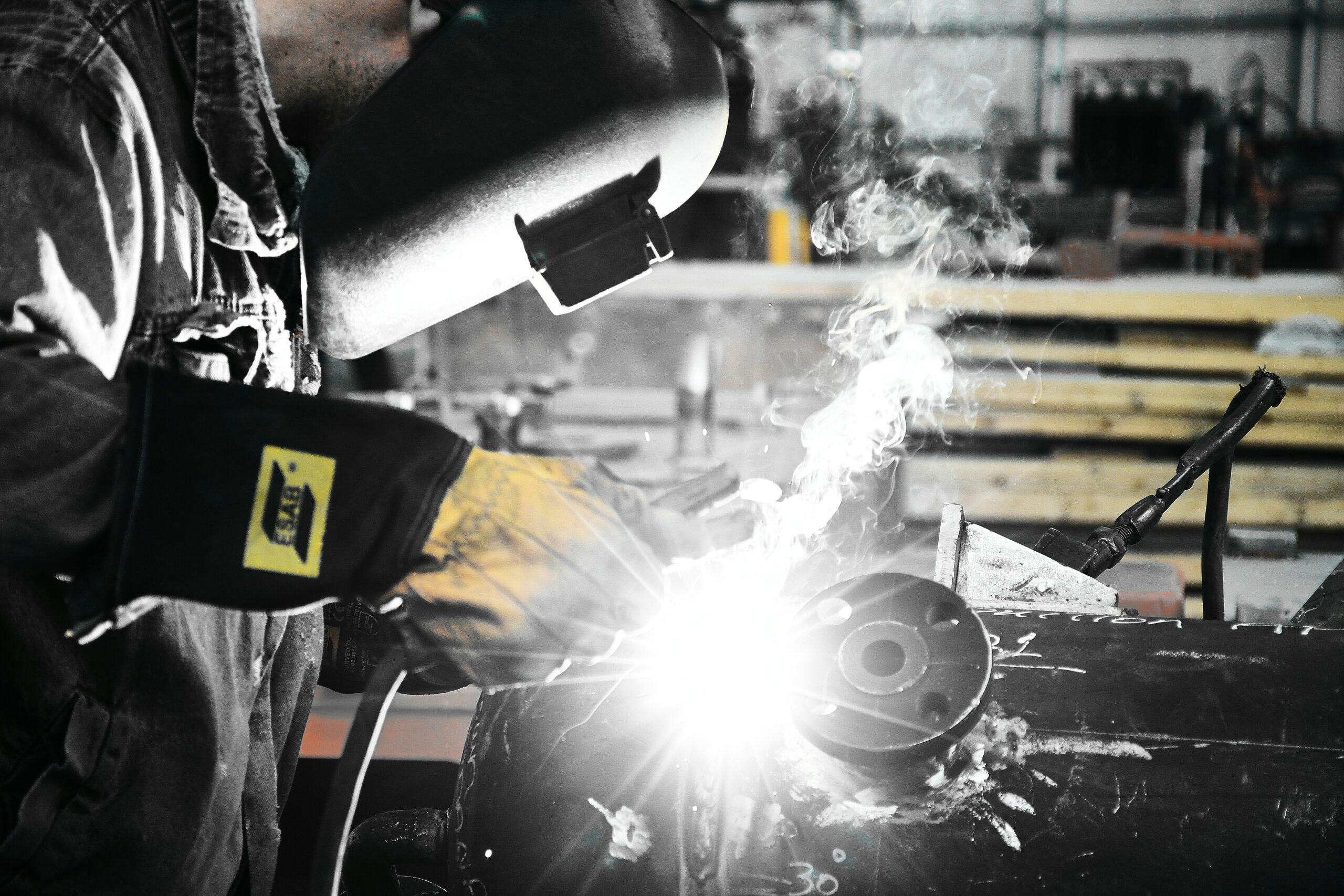
According to guidance from the Occupational Safety and Health Administration, reducing on site fabrication activities can lower exposure to hazards associated with welding, cutting, and material handling in confined spaces. Fewer hot work operations in congested areas also reduce safety risks and coordination challenges.
Improving Trade Coordination and Sequencing
Early Fabrication Engagement allows project teams to plan installation sequences around prefabricated components. This clarity helps general contractors and construction managers align trade schedules more effectively.
Instead of multiple trades attempting to work in the same space simultaneously, prefabrication enables:
- Shorter, more defined installation durations
- Clear access windows for each trade
- Reduced interference between piping, electrical, and mechanical crews
When fabrication teams contribute early, they can help define realistic installation sequences that reduce overlap. This structured approach keeps crews moving through spaces efficiently rather than stacking on top of each other.
Reducing Material Staging and Laydown Pressure
Material staging is a major contributor to congestion on industrial sites. Without early planning, materials often arrive before installation areas are ready, forcing crews to store components wherever space is available.
Early Fabrication Engagement supports better material flow by aligning fabrication schedules with installation readiness. Components are fabricated in logical installation groupings and delivered just in time for use. This reduces the need for large laydown areas and limits material movement around the site.
Supporting Cleaner and Safer Work Environments
In regulated environments such as semiconductor and pharmaceutical facilities, cleanliness and safety are critical. Congested work areas make it harder to maintain cleanliness standards and increase the likelihood of contamination or damage.
Early Fabrication Engagement reduces congestion by minimizing cutting, grinding, and welding in sensitive areas. Assemblies arrive clean, tested, and sealed where required. Field crews focus on positioning, connecting, and verifying systems rather than fabricating them in place.
This approach supports cleaner installations, reduces debris generation, and limits the number of workers exposed to confined or elevated work zones at the same time.
Preventing Rework and Late Field Changes
Rework is one of the fastest ways to create congestion. When systems do not fit as expected, crews must remove, modify, or rebuild components while other trades wait.
Early Fabrication Engagement allows fabrication teams to identify conflicts and constructability issues before materials are cut. Spool drawings reflect real world conditions, tolerances, and installation constraints. This reduces the likelihood of field modifications that disrupt schedules and crowd work areas.
By solving problems early, teams protect the field from becoming a troubleshooting zone.
Creating Predictable Installation Windows
When fabrication is aligned early with construction planning, installation becomes more predictable. Crews know what is arriving, when it is arriving, and how it will be installed.
Predictability reduces congestion by:
- Limiting unnecessary crew presence
- Avoiding last minute schedule changes
- Allowing supervisors to plan access and safety controls
Instead of reacting to delays and conflicts, field teams execute a planned sequence that keeps work areas flowing smoothly.
Why Early Fabrication Engagement Matters More on Complex Projects
The larger and more complex the project, the greater the impact of Early Fabrication Engagement. Semiconductor fabs, pharmaceutical plants, and advanced manufacturing facilities often involve dense mechanical and process systems installed within tight tolerances.
Without early coordination, these environments quickly become congested. With Early Fabrication Engagement, teams can break complexity into manageable, prefabricated packages that install efficiently and safely.
This approach supports:
- Faster installation
- Reduced labor hours in the field
- Improved safety performance
- Better schedule reliability
Conclusion
Field congestion is not an unavoidable part of industrial construction. In many cases, it is a symptom of decisions made too late in the project lifecycle. Early Fabrication Engagement addresses congestion at its source by shifting work out of the field, improving coordination, and aligning fabrication with installation realities.
By engaging fabrication teams early, projects gain clarity, control, and flexibility. The field becomes a place for installation rather than problem solving. Crews move efficiently, safety risks decrease, and schedules become more predictable.
For industrial projects where space, safety, and precision matter, Early Fabrication Engagement is not just a best practice. It is a strategic advantage.