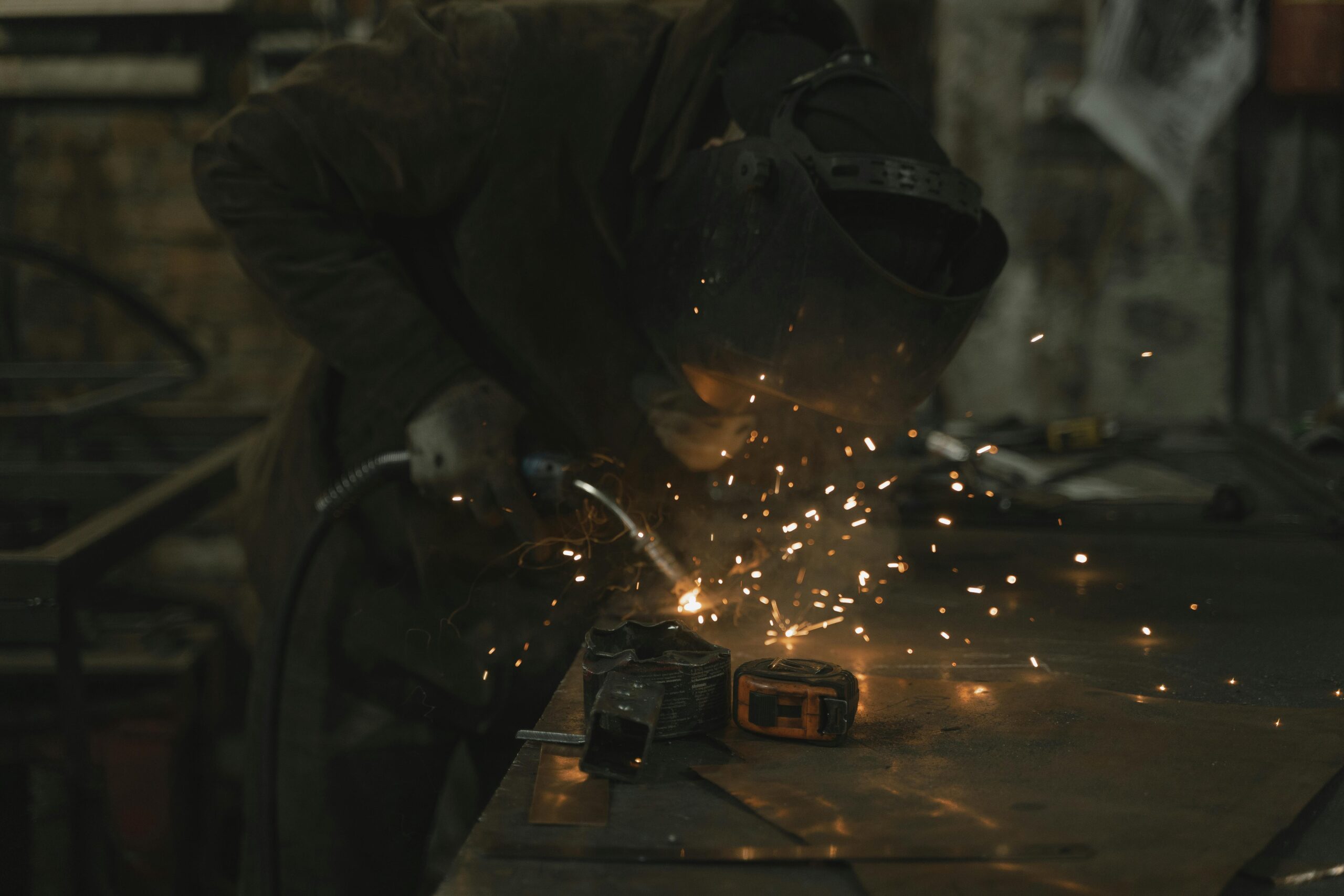
In industrial fabrication, every weld plays a role in the long term performance of a system. Whether a project involves high purity stainless steel lines for semiconductor manufacturing, corrosive service piping for chemical plants, or large bore systems for power generation, weld quality determines reliability. At the heart of dependable welding is a single process that guides the entire operation: Weld Procedure Qualification.
Weld Procedure Qualification is the formal method used to verify that a welding process will produce joints that meet required mechanical properties, code standards, and safety expectations. It provides the documented foundation that welders and inspectors rely on throughout a project. Without a qualified procedure, the risks of defects, failures, or code violations increase significantly. For industrial clients who operate in regulated environments, this process is not only important but required.
This article explains what Weld Procedure Qualification involves, why it is essential for high specification fabrication, and how a strong qualification program directly benefits project owners, EPC firms, and general contractors.
What Weld Procedure Qualification Is and Why It Matters
Weld Procedure Qualification is the process of proving that a specific welding method, performed under defined variables, can produce a weld that meets or exceeds mechanical and visual quality requirements. It is typically completed through a Procedure Qualification Record, often referred to as a PQR.
The PQR documents how a test weld was performed. It includes:
- Base materials
- Filler metals
- Joint design
- Preheat temperatures
- Welding parameters
- Post weld heat treatment
- Inspection and testing results
Once testing confirms that the weld meets mechanical requirements, a Welding Procedure Specification (WPS) is created. The WPS becomes the formal guideline that welders follow during production.
Codes such as ASME Section IX or AWS standards require this process to verify that any weld made under the procedure will perform safely. Since industrial facilities face strict regulatory oversight, proper qualification is essential to meet compliance expectations.
The Occupational Safety and Health Administration provides guidance on safe welding practices and highlights how quality and consistency reduce safety risk. OSHA remains a reliable reference for welding safety and compliance.
How Weld Procedure Qualification Supports Industrial Quality
Industrial environments place extreme demands on piping and structural systems. High temperatures, corrosive media, pressure cycling, vibration, and continuous operation require welds that can withstand stress over long periods. Poorly executed welding or unqualified procedures create vulnerabilities that lead to:
- Leaks
- Cracks
- Fatigue failures
- Required rework
- Downtime
- Safety risks
A qualified procedure creates a baseline for repeatable quality. It helps fabricators control essential variables so the final weld is predictable and uniform. For industries like semiconductor manufacturing or pharmaceutical production, where contamination or weld irregularities can compromise an entire process, this control is critical.
Project owners benefit from lower failure risk, more accurate documentation, and higher confidence that fabrication partners follow disciplined processes. For EPC firms and contractors, qualified procedures reduce uncertainty during inspection, testing, and turnover.
The Steps Involved in Weld Procedure Qualification
Although every code has unique requirements, most qualification processes follow a similar structure. Clients often do not see the level of detail involved, yet this work is a significant part of a fabricator’s commitment to quality.
1. Defining the Welding Process
Before testing begins, the fabricator identifies the process and variables that will be used in production welding. This includes:
- Process type such as GTAW or SMAW
- Joint configuration
- Material type and grade
- Heat input considerations
- Preheat and interpass temperatures
Clear definition sets the stage for accurate testing.
2. Preparing the Test Coupon
A test coupon is fabricated using the same method intended for production. This coupon mirrors project conditions as closely as possible, including material thickness and joint design.
3. Performing the Test Weld
Skilled welders complete the weld while parameters are monitored and recorded. Any variation in technique, travel speed, or heat input can influence the final weld quality. Recording these variables provides traceability and allows inspectors to verify consistency.
4. Mechanical and Non Destructive Testing
Once welding is complete, the coupon undergoes mechanical testing. This may include:
- Tensile tests
- Bend tests
- Impact tests
- Hardness tests
Depending on code and service type, additional testing like microteachexaminations or chemical analysis of the weld metal may be performed.
Non destructive examination may also be required. This can involve radiography, ultrasonic testing, or liquid penetrant testing.
5. Creating the PQR and WPS
After testing confirms the weld meets code and mechanical performance requirements, the results are recorded in the Procedure Qualification Record. From this, a Welding Procedure Specification is produced.
The WPS becomes the document welders follow during production and the reference inspectors use for verification.
How Weld Procedure Qualification Reduces Project Risk
Clients and project teams benefit directly from proper Weld Procedure Qualification in several important ways.
Consistent Quality Across All Welds
The biggest advantage is consistency. Every weld performed under a qualified procedure has a predictable performance profile. This reduces rework and supports long term reliability.
Improved Transparency and Documentation
High specification industries demand detailed records. Weld Procedure Qualification creates a clear paper trail that supports turnover packages, commissioning, and future maintenance planning.
Fewer Inspection Delays
When procedures and documentation are complete, inspectors can work more efficiently. This prevents hold points from slowing down major milestones.
Reduced Liability for Project Owners
Proper qualification demonstrates that welding was performed using proven methods. This protects owners, EPC firms, and contractors if questions arise about fabrication quality.
Support for Technology Driven Environments
Semiconductor, pharmaceutical, and high purity industries have very low tolerance for defects. Qualified welding procedures support the precision these facilities require.
Industry Standards That Guide Qualification
Several organizations publish standards that govern Weld Procedure Qualification. One of the most widely recognized is ASME, which provides technical resources and standards across industries.
These standards help fabricators remain consistent with industry expectations and maintain alignment with regulatory bodies.
Why Fabricators Must Take Qualification Seriously
Not all fabricators treat Weld Procedure Qualification with equal importance. Those who do commit significant time, expertise, and testing resources to build a library of procedures for various materials and service types. For project owners, this demonstrates capability and readiness for demanding projects.
A fabricator with a comprehensive qualification program can:
- Support advanced alloys
- Meet high purity standards
- Complete fast track projects with confidence
- Integrate seamlessly with EPC quality programs
- Produce accurate documentation for turnover
This commitment shows that the fabricator is prepared for the complexity of modern industrial construction.
Conclusion
Weld Procedure Qualification is more than a compliance requirement. It is the backbone of quality, safety, and performance in industrial fabrication. A disciplined and well documented qualification program protects clients, supports inspectors, and gives project teams confidence that every weld will perform as expected. For high specification industries, this process is essential to ensuring long term reliability.