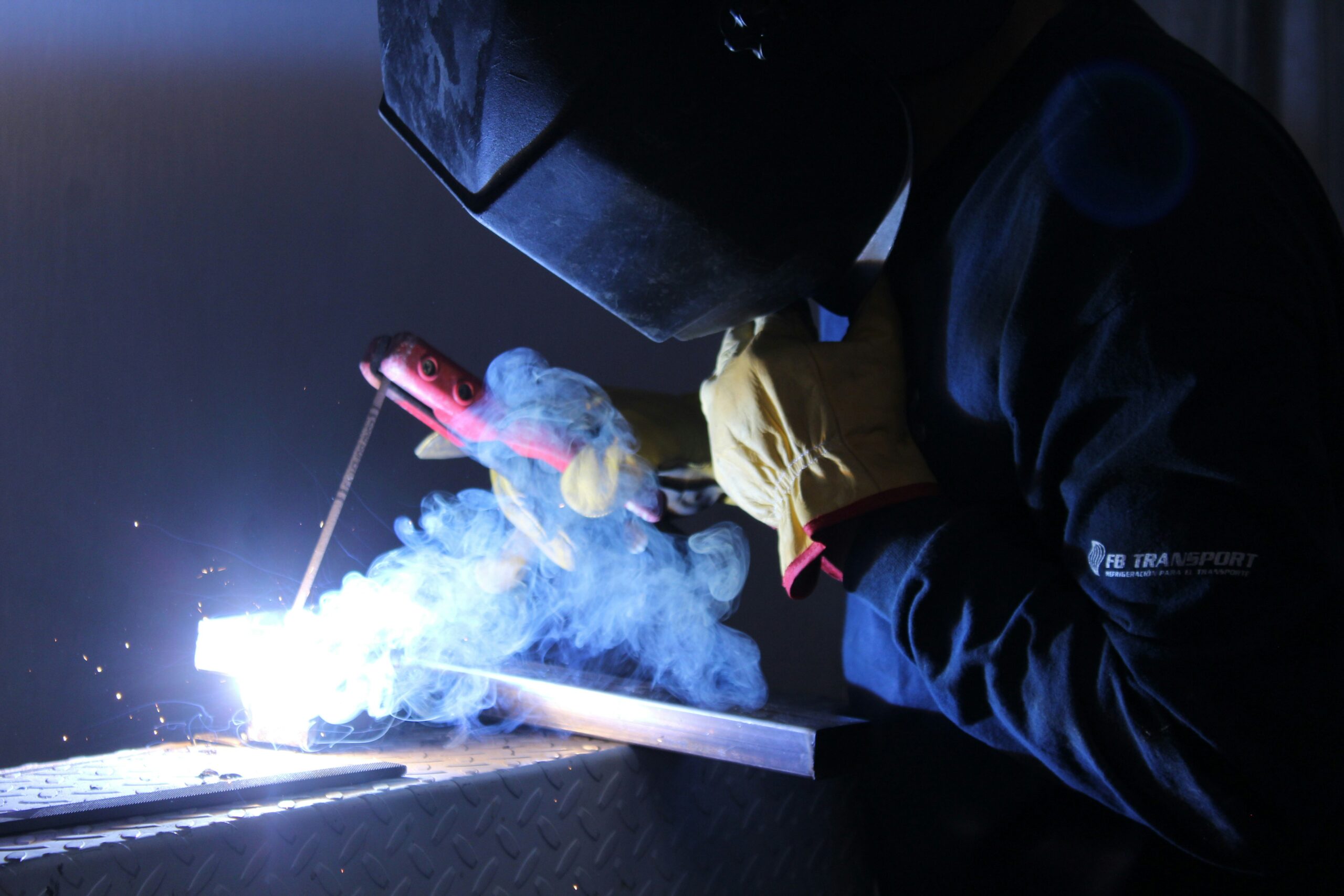
Large industrial projects such as power plants, refineries, petrochemical facilities, and carbon capture infrastructure require thousands of precisely fabricated pipe spools delivered on strict schedules. For fabricators, the ability to scale production is not just a matter of having more space or more welders. It involves a deliberate alignment of skilled labor, advanced machinery, streamlined workflows, and rigorous quality control. Scaling pipe fabrication capacity is one of the greatest challenges in the industry today, and companies that manage it effectively are positioned to deliver value and reliability to clients managing billion-dollar projects.
This article explores the strategies, technologies, and best practices that enable fabricators to expand their output while maintaining the highest levels of safety, accuracy, and compliance.
Why Scaling Pipe Fabrication Capacity Matters
Mega-projects in the energy, chemical, and infrastructure sectors are defined by their size and complexity. These projects often involve the installation of tens of thousands of pipe spools, each of which must meet exact specifications and pass stringent inspections. Any bottleneck in fabrication can create cascading delays across the entire project schedule.
According to the U.S. Department of Energy (DOE), the industrial sector remains the largest consumer of energy in the United States, with growing demand for new and efficient facilities to support electricity generation, refining, and emerging technologies like hydrogen aEach of these facilities relies on advanced piping systems, making scalable fabrication capacity essential for keeping construction on schedule and within budget.
The Challenges of Scaling Up
Expanding pipe fabrication capacity is not as simple as increasing headcount or adding more machines. Fabricators must balance several factors:
- Labor shortages: Finding and training qualified welders, fitters, and inspectors remains a major challenge in today’s labor market.
- Material availability: Scaling production requires reliable procurement and supply chain management to prevent shortages of critical alloys or fittings.
- Quality control: As output increases, the potential for defects also rises. Quality systems must scale alongside production.
- Space and logistics: Large-scale operations require carefully managed facilities with efficient material handling and staging areas.
Strategies for Scaling Pipe Fabrication Capacity
1. Investing in Advanced Equipment
Modern fabrication shops increase throughput by integrating automated and semi-automated welding systems, CNC cutting machines, and pipe handling equipment. Mechanized welding not only increases production speed but also improves consistency across hundreds of joints.
For instance, orbital welding systems are commonly used in industries where repeatable, high-quality welds are critical. Automated tracking and cutting machines reduce manual errors, speeding up the preparation of pipe segments for fit-up. These technologies allow a smaller workforce to achieve higher output without sacrificing quality.
2. Optimizing Workflow and Facility Layout
Scaling capacity requires more than machines. Facility design plays a significant role in throughput. Lean manufacturing principles can be applied to fabrication shops by:
- Creating dedicated zones for cutting, fitting, welding, inspection, and storage.
- Using material flow systems that minimize handling and reduce travel time between workstations.
- Staging completed spools in an organized fashion to speed delivery to the field.
The Occupational Safety and Health Administration (OSHA) emphasizes that effective material handling and facility organization reduce workplace hazards and improve efficiency. By aligning safety with workflow optimization, fabricators can achieve greater capacity with fewer delays caused by accidents or inefficiencies.
3. Expanding Skilled Labor Through Training
A scalable fabrication operation cannot exist without a skilled workforce. With labor shortages across the construction trades, forward-thinking companies invest heavily in apprenticeship programs, cross-training, and partnerships with technical schools.
Developing welders who are certified across multiple processes (GTAW, SMAW, FCAW, GMAW) allows greater flexibility in production scheduling. Training also reduces the need for rework, which is one of the largest hidden costs in fabrication.
4. Enhancing Supply Chain and Material Management
Meeting mega-project demands requires a robust procurement system that can scale alongside fabrication. Key practices include:
- Establishing relationships with multiple suppliers to avoid shortages.
- Using digital material management systems to track inventory levels in real time.
- Coordinating directly with clients to forecast material needs well in advance.
The use of barcoding or RFID tagging on pipe spools and materials provides visibility across the supply chain, reducing the likelihood of lost or delayed components.
5. Implementing Scalable Quality Control
One of the biggest risks of scaling production is a drop in quality. To counteract this, quality assurance programs must be designed to expand with output. Common approaches include:
- Standardizing welding procedure specifications (WPS) across all projects.
- Using nondestructive testing methods such as ultrasonic and radiographic inspection on a scalable schedule.
- Applying statistical process control to monitor defect rates and identify trends before they cause delays.
By integrating digital reporting systems, fabricators can share inspection results directly with clients, increasing transparency and confidence.
The Role of Digital Transformation
Scaling pipe fabrication capacity is increasingly supported by digital technologies. Shop-wide management systems allow supervisors to track productivity, spool status, and inspection results in real time. Project management software links fabrication to construction schedules, ensuring that the right spools are delivered at the right time.
Some companies are also adopting digital twins, which replicate piping systems in virtual environments to detect design issues before fabrication even begins. These tools reduce costly rework and accelerate production schedules.
Case Example: Scheduled Outages and Rapid Scaling
One of the most demanding scenarios for pipe fabricators occurs during scheduled outages at refineries or power plants. These outages often allow only a narrow window to remove and replace piping systems before the facility must restart operations.
In these cases, fabrication shops must ramp up output to deliver spools on a compressed timeline. Scaling capacity effectively can mean the difference between a successful outage and millions of dollars in lost production. Shops that have invested in automation, efficient layouts, and flexible workforces are able to meet these demands without sacrificing safety or quality.
Building for the Future
The future of industrial construction will increasingly depend on fabricators that can scale operations quickly and reliably. As energy infrastructure evolves to include carbon capture, hydrogen transport, and renewable integration, the demand for large-scale, high-quality piping systems will only grow.
Companies that embrace advanced equipment, digital management, and a skilled workforce are not only meeting today’s challenges but also preparing for tomorrow’s mega-projects. Scaling pipe fabrication capacity is not a one-time investment but an ongoing commitment to innovation, safety, and efficiency.
Conclusion
Scaling pipe fabrication capacity is critical to meeting the demands of mega-projects in power, chemical, and infrastructure industries. By combining advanced equipment, optimized workflows, skilled labor development, strong material management, and scalable quality control, fabricators can deliver high volumes of pipe spools without compromising safety or reliability.
As agencies such as the U.S. Department of Energy and OSHA highlight, the future of industrial infrastructure depends on safe, efficient, and scalable solutions. Fabricators that invest today in scaling their capacity will be the partners of choice for the most ambitious projects of tomorrow.